Last Updated on March 11, 2026 by Karis Tavernier-Nicholas
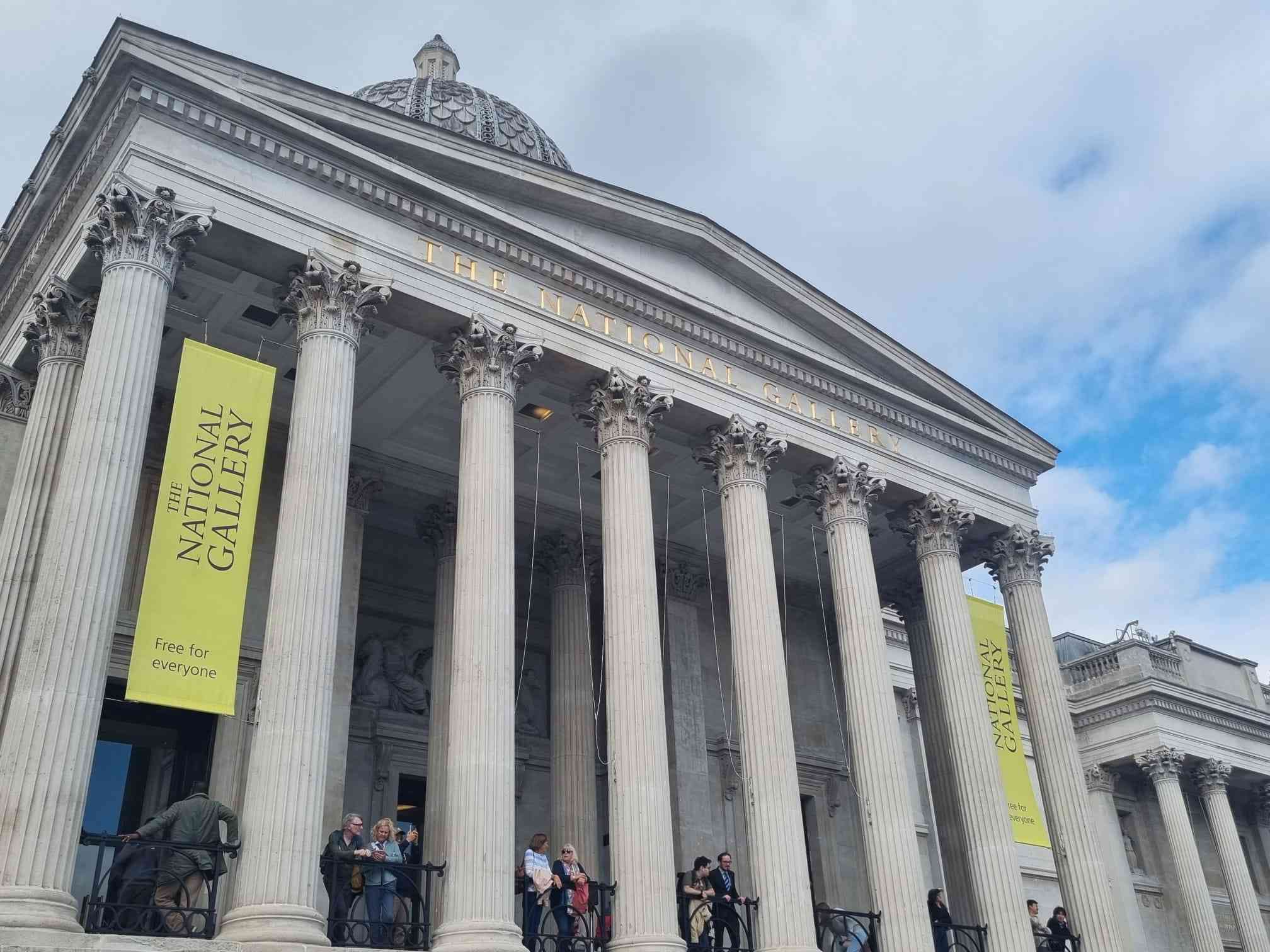
It’s probably fair to say the 16th-century artist Titian never imagined an average of four million people would traipse past his works every year. Just as it might have been beyond Botticelli’s comprehension that there would one day be people making multiple copies of his art through the lens of their mobile phones. But this is the reality the National Gallery in London affords the visitor.
I’ve long waxed lyrical about some of the cultural heritage sites accessible to everyone here in the UK. Cultural and historical institutions, such as the National Gallery, are free to enter and have a wealth of art on display. These artworks span centuries, from the mid-13th century all the way through to 1900.
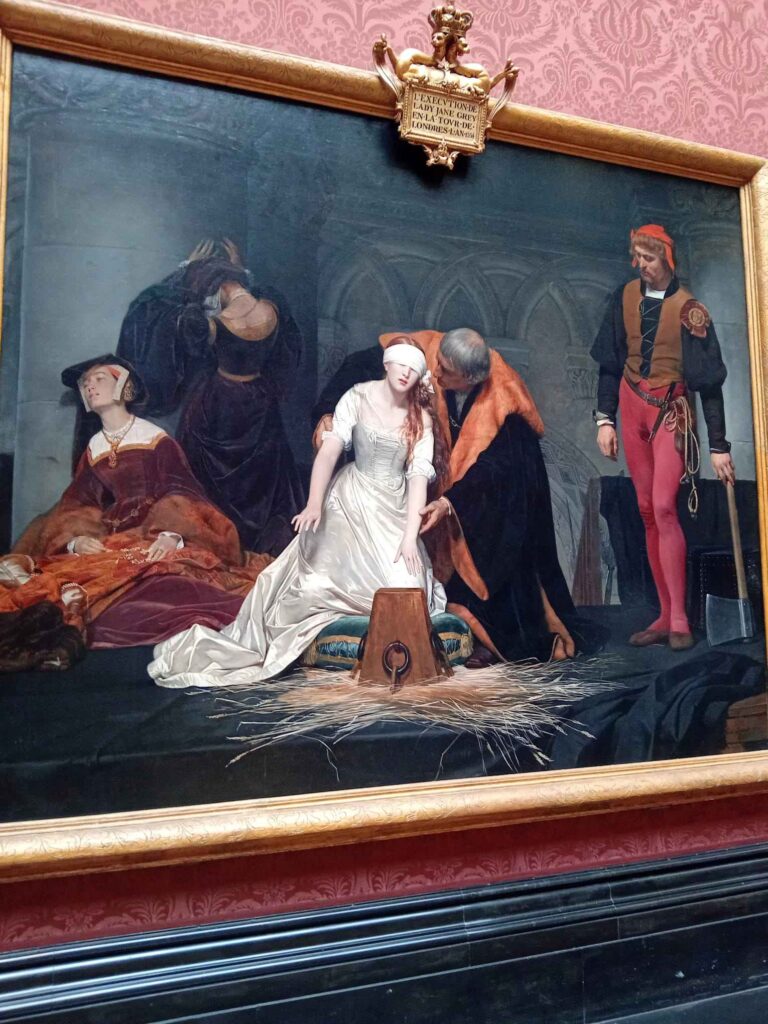
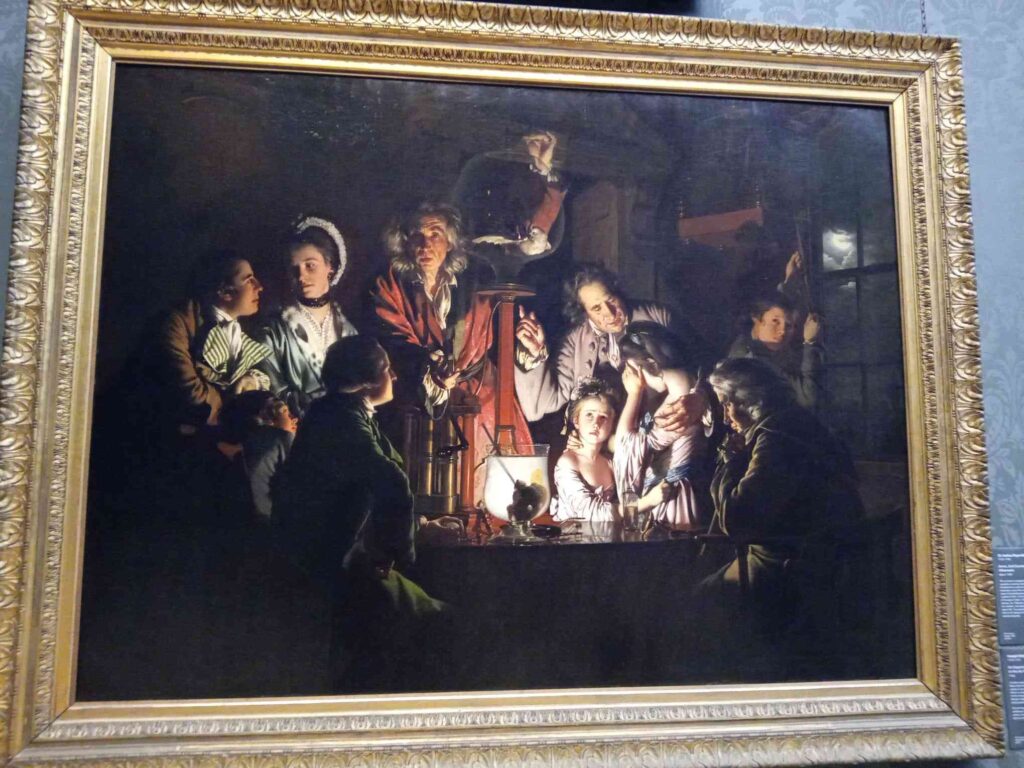
The gallery is divided into two sections: the National Gallery and the National Portrait Gallery. Despite the slight change in name, they’re next door to one another and so it’s easy to wander between the two. On average, the National Portrait Gallery typically has over 1,000 portraits on display, ranging from paintings to sculptures. These portraits feature people who have held historical significance to Britain’s history, with a particular focus on British people including the likes of Elizabeth I and William Shakespeare.
What to see at the National Gallery
Having visited the National Gallery numerous times, I’ve never managed to see everything on display. Some of the personal highlights however have included Hans Holbein the Younger’s ‘The Ambassadors’. As a history student who analysed this as part of a History of Art module at university, this was a particular joy to see in the flesh.
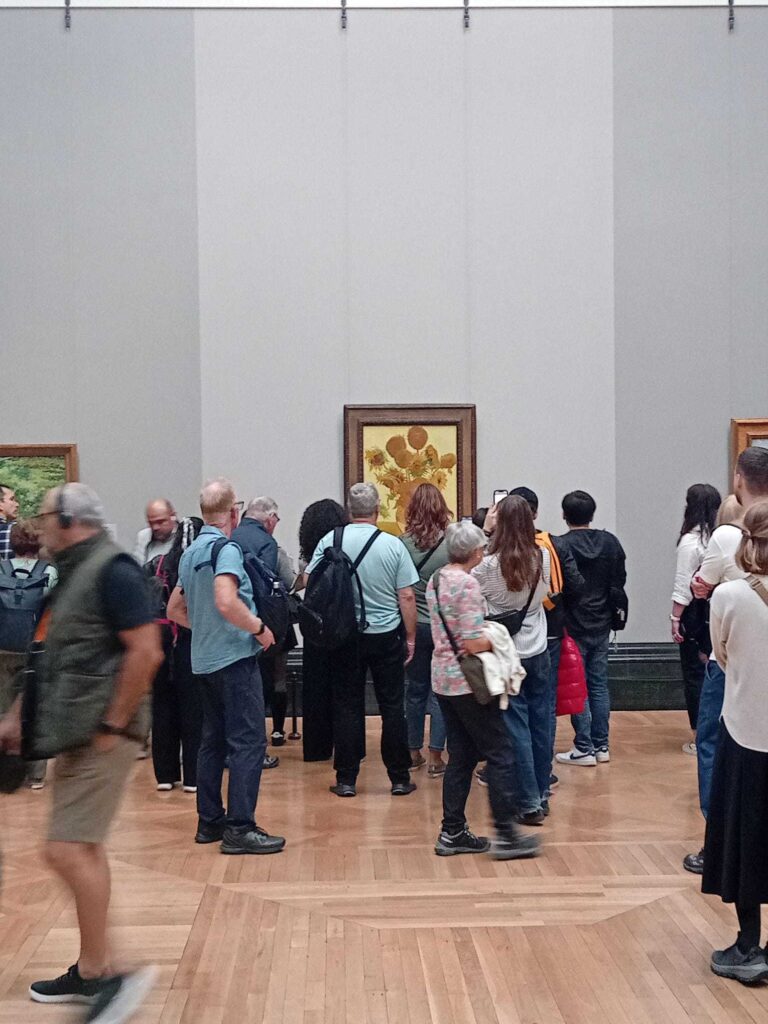
Alongside this, Vincent van Gogh’s ‘Sunflowers’ was another visual treat. Like the Mona Lisa in the Louvre, it’s something you’ve heard about numerous times, seen printed onto tea towels and postcards. As well as these, there are also numerous works by artists such as Sandro Botticelli, Giovanni Bellini and Leonardo da Vinci.
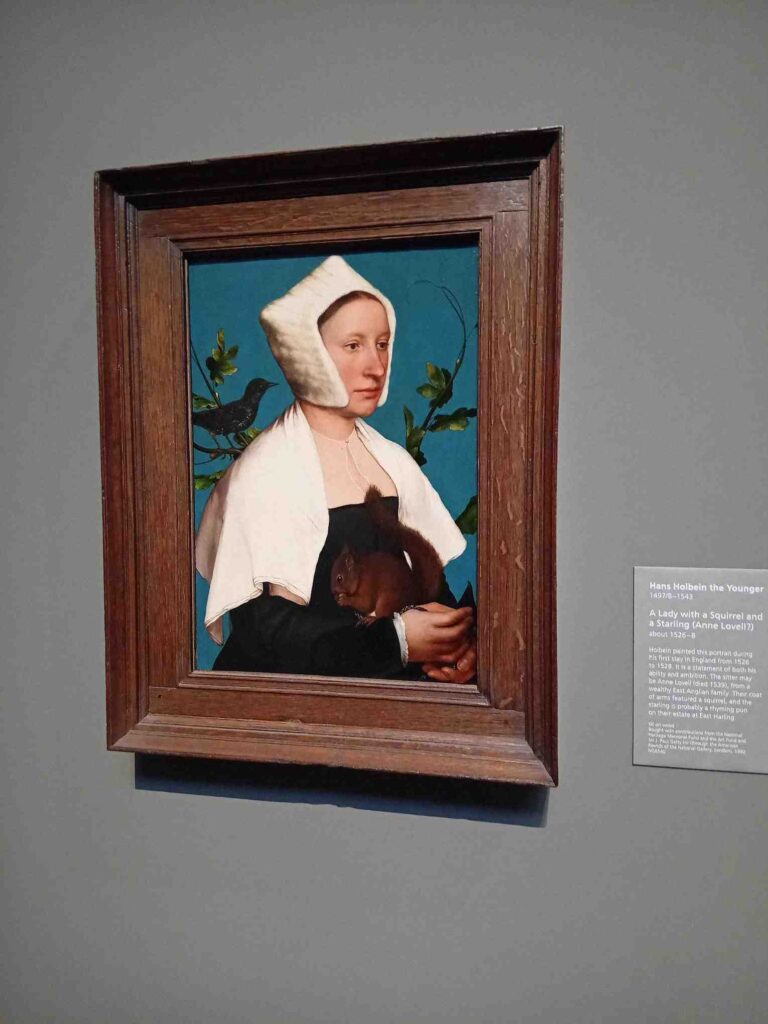
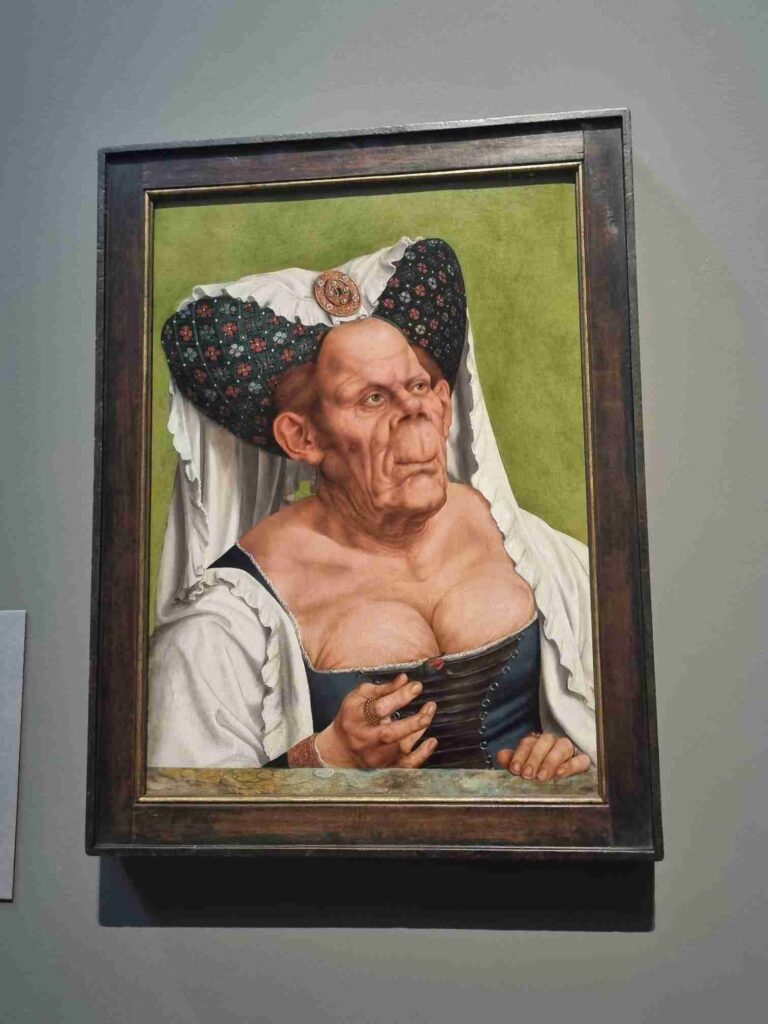
Things to Know Before Visiting
If you plan on seeing everything the gallery has to offer in one day (to which I say, good luck to you), then be prepared to spend the whole day there. The gallery is open from 10am to 6pm daily, although stays open later on Friday’s until 9pm. Parts of the gallery are helpfully divided into periods, and so if you have particular favourites you want to see, head to them first.
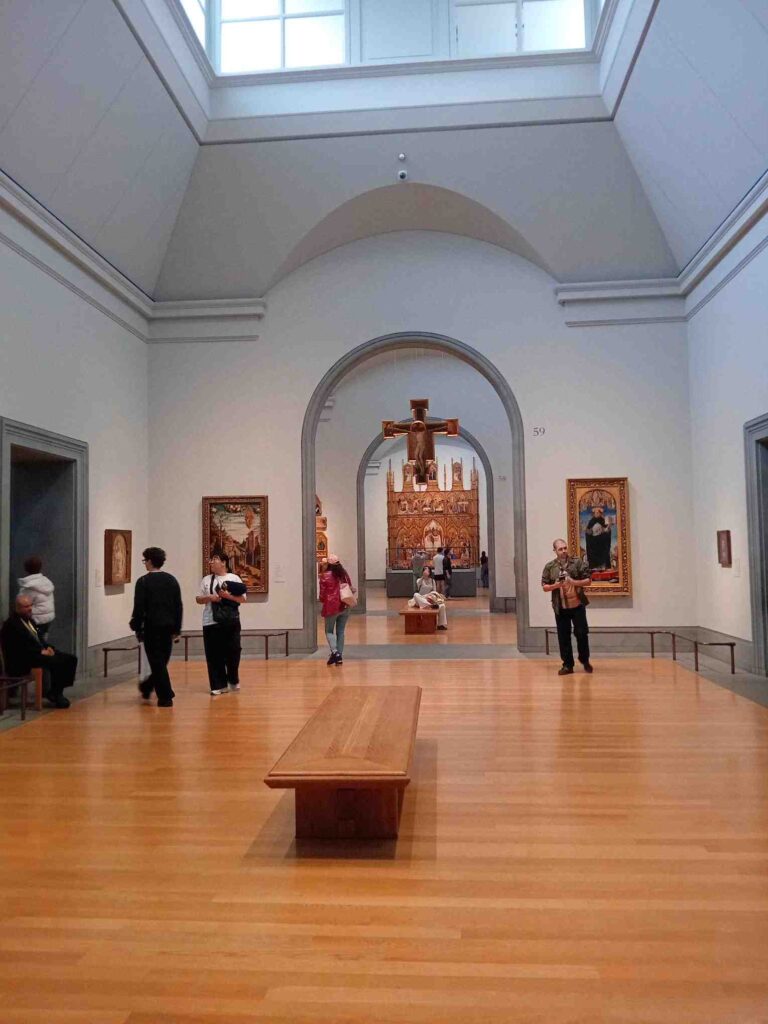
There’s a café on site for when you need a bite to eat and a cup of coffee to refuel. A cloakroom is on offer to hand in some of your things to stroll about more comfortably. As is a common feature within galleries, benches are placed throughout some of the rooms, allowing you to take the time and pause in front of your favourite paintings.
The main entrance into the gallery is via the Sainsbury Wing near the main doors of the building. Upon entry, your bags will be checked by a member of security before you’re free to explore.
How to Get to the National Gallery
The easiest way to get to the National Gallery is via public transport. The gallery is situated on Trafalgar Square which is well served by numerous buses; 9, 11, 24, 91, 139, 159 and 176 all stop nearby.
Charing Cross, Leicester Square and Embankment stations are also close by. Charing Cross is served by the Northern and Bakerloo lines; Leicester Square: Piccadilly and Northern lines; Embankment: District, Circle, Northern and Bakerloo lines.